
What Makes a Plant Native: A Guide for Gardeners During Native Plant Month
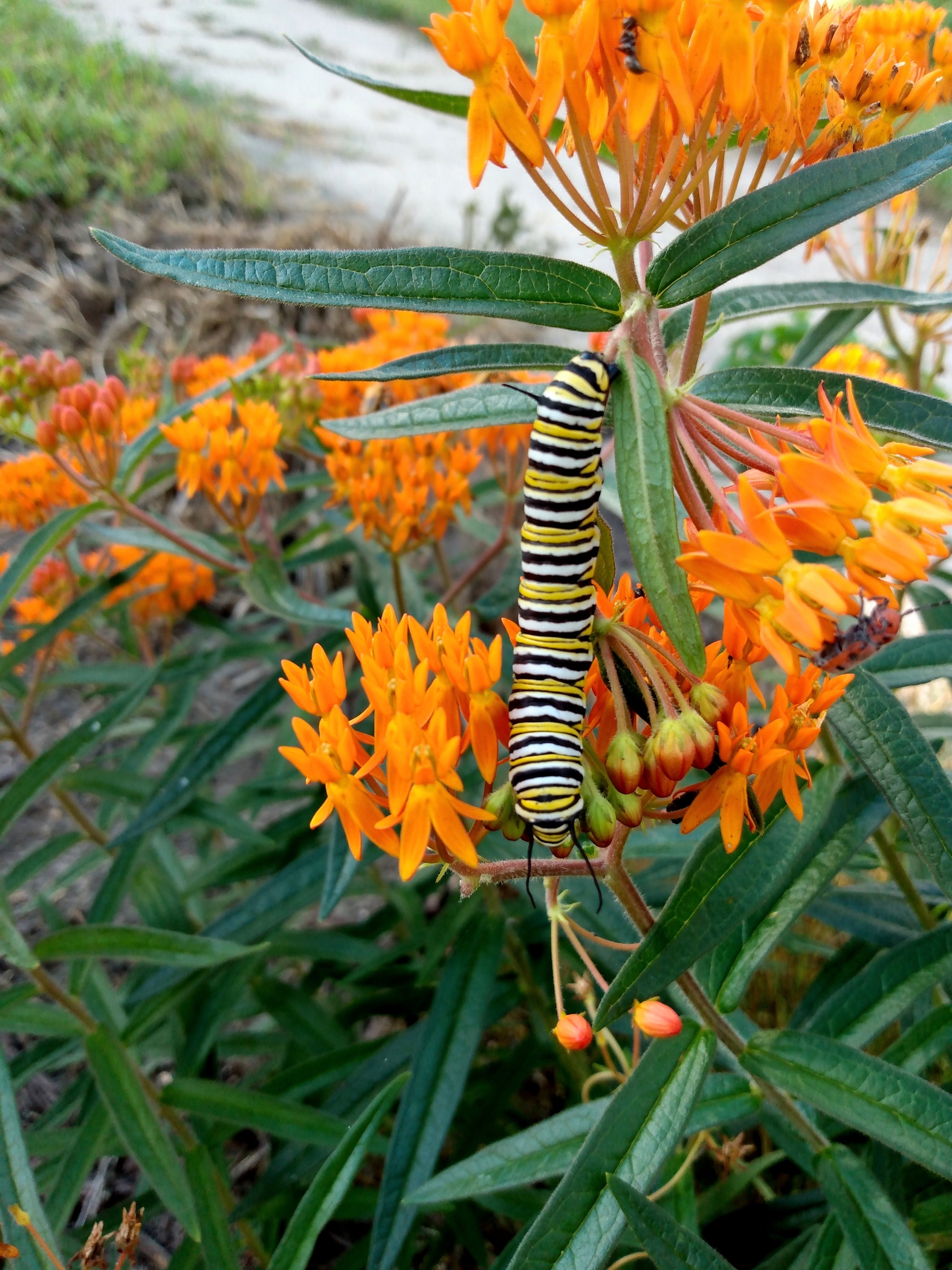
Monarch caterpillars depend entirely on milkweed like Butterfly Weed (Asclepias tuberosa) to survive. While adults gather nectar from many flowers, future generations rely on this specialized host plant relationship.
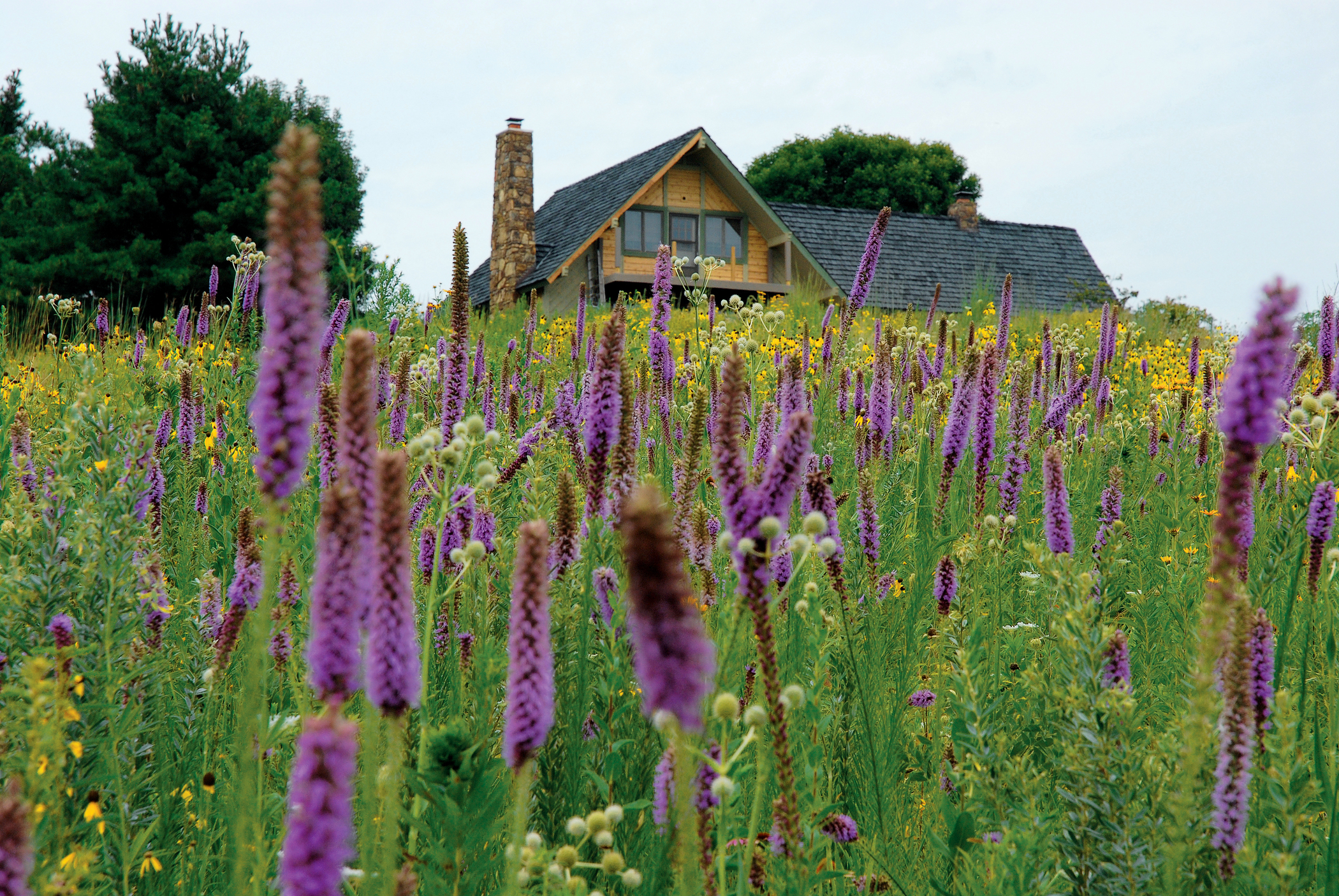
A diverse native Missouri meadow features Prairie Blazing Star (Liatris pycnostachya), Rattlesnake Master (Eryngium yuccifolium), and Coneflowers (Ratibida spp.), supporting pollinators while blending ecological function with natural beauty.

Fast-growing native annual wildflowers deliver first-year blooms from seed while providing essential nectar for bees, butterflies, and other pollinators throughout the season.
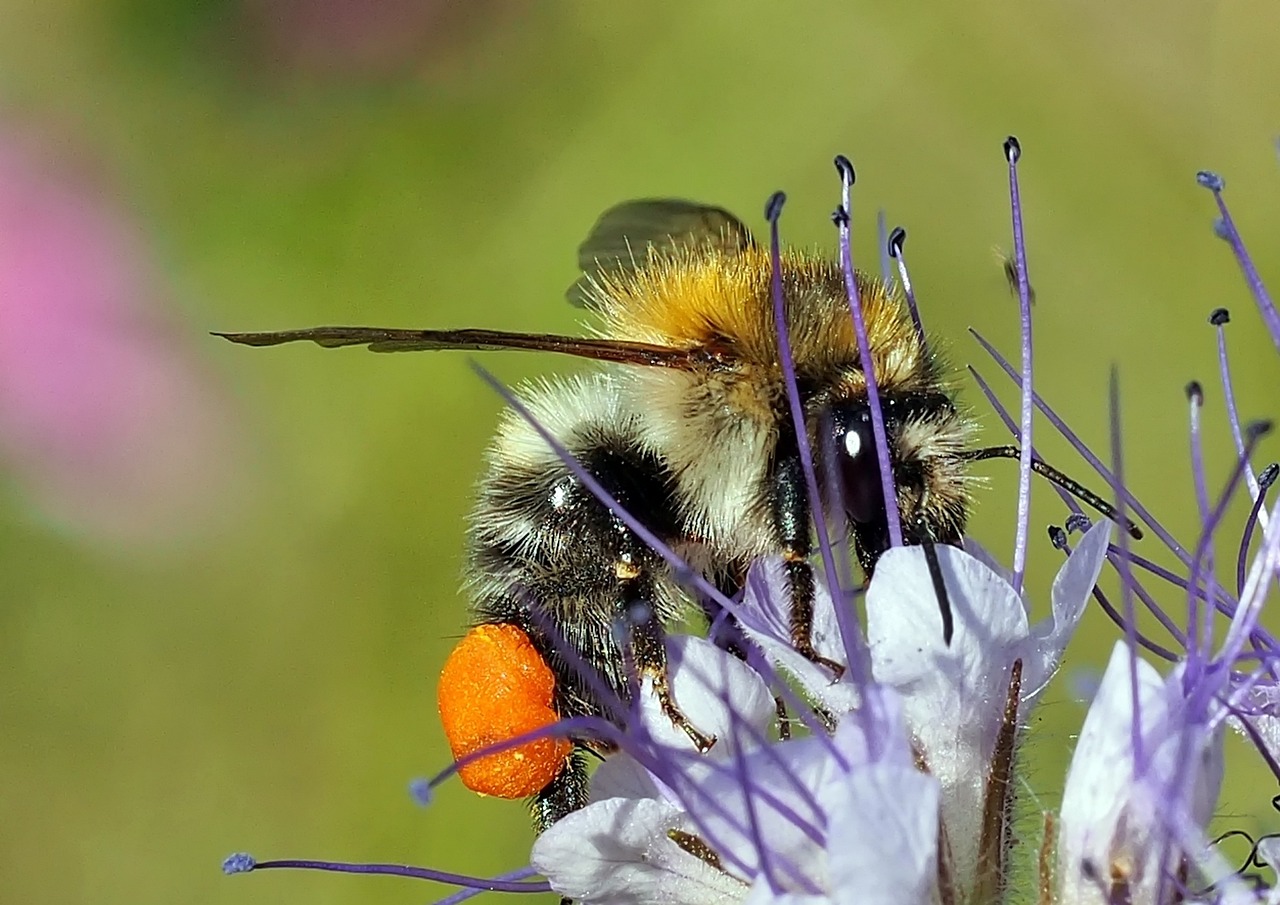
A native bee gathers pollen from Lacy Phacelia (Phacelia tanacetifolia), a valuable nectar source. While honey bees forage broadly, many native bees are specialists—relying on specific native plants to collect pollen and support their lifecycle.
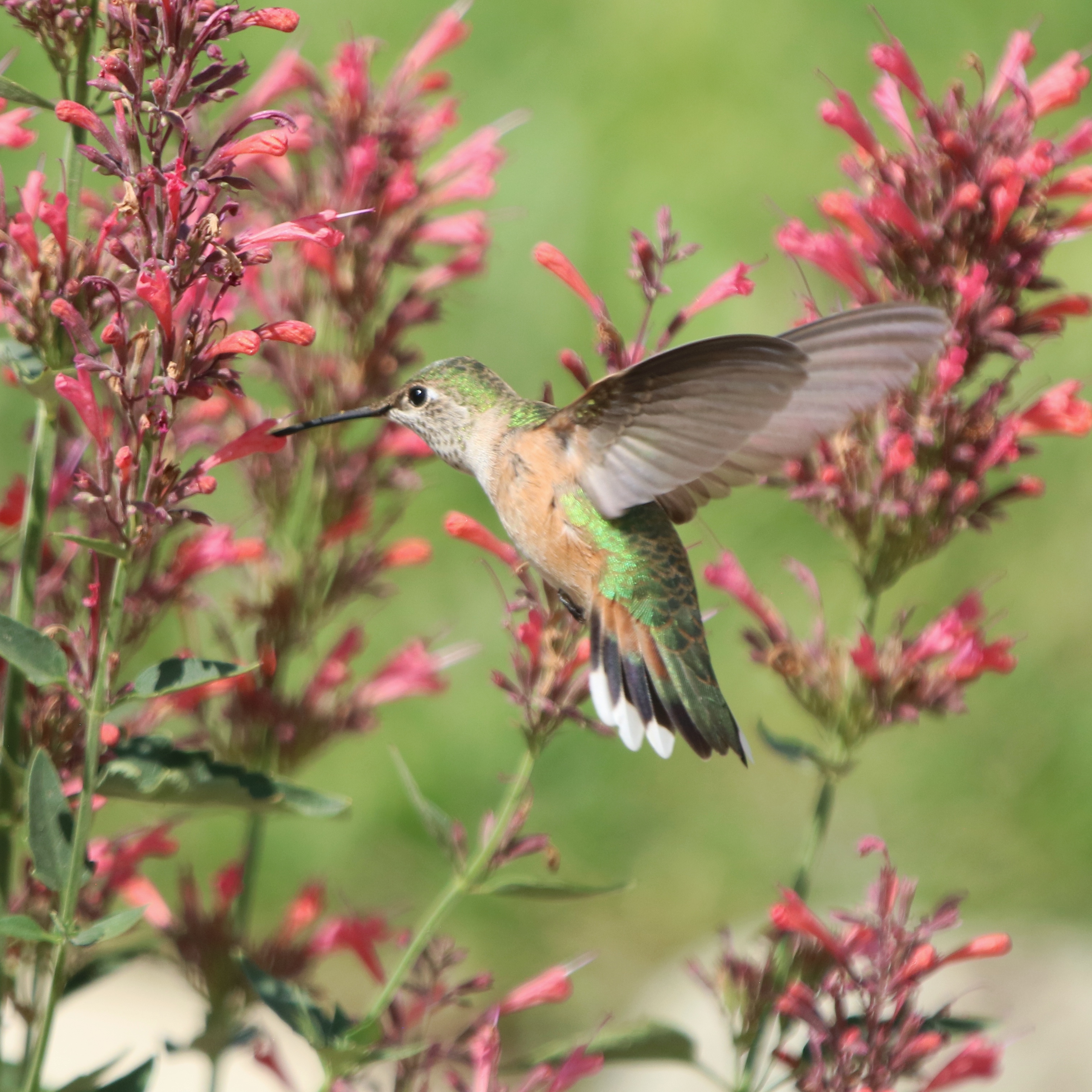
A hummingbird feeds on Agastache (hummingbird mint), a group of native plants adapted to different regions across the U.S. From dry Western climates to more humid areas, these regionally suited species provide reliable nectar for pollinators.
American Meadows encourages gardeners to think regionally when choosing plants that support pollinators and local ecosystems
The answer depends on where you’re planting—and understanding that distinction can make a meaningful difference for pollinators, wildlife, and long-term ecosystem health.
“A plant’s value isn’t just about how it looks—it’s about how it functions within the ecosystem where it grows,” said Tabar Gifford, Master Gardener and Partnership Cultivator at American Meadows. “When gardeners understand that, they can make more informed choices that support both their space and the environment around it.”
WHAT IS A NATIVE PLANT?
A native plant is generally defined as a species that has evolved in a specific region over thousands of years, forming relationships with local wildlife, climate, and soil conditions. Because of this long-term ecological connection, native plants often play a critical role in supporting biodiversity.
These regions are best understood as ecoregions—natural areas defined by environmental conditions—rather than state or political boundaries. As a result, a plant that is native in one part of the country may not provide the same ecological benefits in another.
For example:
• A plant that supports pollinators in the Northeast may not offer the same value in parts of the West
• A species considered beneficial in one ecosystem may behave aggressively or out of place in another
• The same plant may be viewed very differently depending on its ecological context
WHY NATIVE PLANTS MATTER FOR POLLINATORS AND WILDLIFE
Native plants are foundational to healthy ecosystems because they have co-evolved with local wildlife. Many insects—including pollinators—depend on specific native plants to complete their life cycles, forming highly specialized relationships that support biodiversity.
For example, monarch butterflies rely exclusively on milkweed as a host plant for their larvae—without it, monarch populations cannot reproduce. Similarly, many native bees depend on specific regional plants for nectar and pollen. Research has shown that many insects are specialists, meaning they can only reproduce on certain plants they evolved alongside, making native plants essential to sustaining food webs and biodiversity.
Native plants don’t just support pollinators—they also support the insects that songbirds rely on to feed their young, making them critical to the entire backyard food web.
Compared to many non-native plants, native species are more likely to:
• Support a greater diversity of pollinators
• Provide essential host plants for butterflies and moths
• Contribute to healthier soil and more resilient ecosystems
• Require fewer inputs, like water and fertilizer once established in appropriate conditions
NATIVE… TO WHERE? WHY REGION MATTERS
One of the most important concepts for gardeners to understand is that “native” is not universal—it is regional.
Instead of relying on broad national plant lists, experts increasingly encourage gardeners to focus on plants suited to their local growing conditions and ecological region.
“The right plant isn’t just about what grows—it’s about what grows well where you are and contributes positively to that environment,” Gifford added.
This shift toward regional gardening reflects a growing awareness that plant choices directly impact pollinators, soil health, and long-term sustainability.
A BALANCED, THOUGHTFUL APPROACH TO GARDENING
While native plants provide the strongest ecological support, American Meadows encourages a practical and approachable approach to gardening.
Many ecological gardening experts suggest designing landscapes that are **majority native—often around 70%—**to meaningfully support local wildlife, while still allowing space for well-behaved, non-invasive plants that add seasonal interest and personal enjoyment.
While non-native plants can offer aesthetic value and supplemental nectar sources, they typically do not replace the ecological role of native species—especially when it comes to supporting specialist insects.
“When people feel connected to their gardens, they’re more likely to care for them and keep planting,” said Gifford. “A thoughtful balance helps make ecological gardening both impactful and enjoyable.”
UNDERSTANDING PLANT TERMINOLOGY: NATIVE, NATIVARS, AND INTRODUCED SPECIES
As interest in native plants grows, so does the importance of understanding key terms.
• Native plants: Species that evolved naturally in a specific region
• Nativars: Cultivated varieties of native plants that may differ in traits like color, size, or form
• Introduced species: Plants brought from other regions or continents
Nativars can vary in their ecological value—particularly if traits like flower shape or pollen accessibility are altered—making it important for gardeners to understand how plant selection can impact pollinators.
For those looking to learn more, American Meadows offers a detailed native plant and seed glossary to help gardeners make more informed decisions.
HOW TO MAKE MORE INFORMED PLANTING DECISIONS
During Native Plant Month, American Meadows encourages gardeners to focus on understanding—not oversimplifying—the role of native plants.
To plant more thoughtfully:
• Start with your region — Choose plants suited to your local ecoregion and growing conditions
• Prioritize native foundations — Aim for a majority of your plants to be native plants to support pollinators and biodiversity
• Understand plant types — Learn the differences between native species, nativars, and introduced plants
• Look for transparency — Choose sources that clearly identify native ranges, seed mix composition, and how plants are sourced and described
• Think beyond aesthetics — Consider how plants support wildlife, soil health, and long-term sustainability
SUPPORTING GARDENERS WITH CLEAR, TRANSPARENT INFORMATION
As interest in sustainable gardening grows, so does the need for clear, accurate, and transparent information.
American Meadows supports gardeners with detailed plant data, regionally informed recommendations, and transparent practices around plant sourcing and labeling—helping customers make confident, responsible choices.
Rather than simplifying native plants into one-size-fits-all rules, American Meadows focuses on helping gardeners understand the nuances behind what grows best—and why.
“Gardening should feel approachable, not intimidating,” said Gifford. “Our goal is to meet gardeners where they are and help them create spaces that flourish—by choosing plants that truly belong where they’re planted.”
LEARN MORE:
Native Plant & Seed Glossary: https://www.americanmeadows.com/pages/native-plant-and-seed-glossary
American Meadows Commitment to Plant Transparency Statement: https://www.americanmeadows.com/pages/trust-and-transparency
Find Native Plants: https://www.americanmeadows.com/collections/native-perennial-plants
Find Native Seeds: https://www.americanmeadows.com/collections/native-wildflower-seeds
Tabar Gifford
American Meadows Inc
ltabar@americanmeadows.com
About American Meadows: How Meadowscaping Makes It Better with Pollinator-Friendly Plants & Sustainable Gardening
Legal Disclaimer:
EIN Presswire provides this news content "as is" without warranty of any kind. We do not accept any responsibility or liability for the accuracy, content, images, videos, licenses, completeness, legality, or reliability of the information contained in this article. If you have any complaints or copyright issues related to this article, kindly contact the author above.
