

MAHA Spotlights Shared Health Crisis Between Humans and Pets — Whole Foods Could Extend Lifespan Across Species. MyTSV
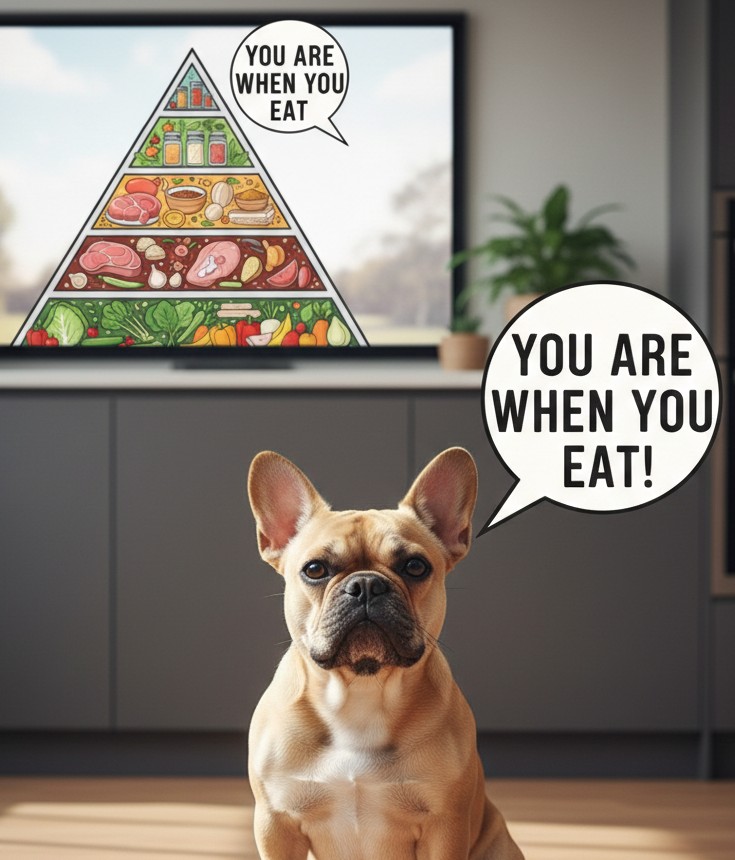
Chrononutrition isn't just for humans! By applying the principles of the MAHA food pyramid and optimized meal timing, we can revolutionize pet health. Remember: it’s not just what they eat, but when they eat that determines their vitality. MyTSV.com
Make America Healthy Again" Movement Spotlights Shared Health Crisis Between Humans and Pets — New Analysis Reveals How Whole Foods Could Extend Lifespan.
DEERFIELD, IL, UNITED STATES, February 9, 2026 /EINPresswire.com/ -- A groundbreaking comparative analysis published on myTSV.com/blogs identifies a Unified Biological Crisis linking the declining health of Americans and their companion animals to the widespread consumption of ultra-processed “food-like substances.”Drawing on the systemic nutrition reforms of the 2025–2030 U.S. Dietary Guidelines, the study argues that the push toward whole, evolutionarily aligned foods for humans must also extend to cats and dogs. Both species, it says, are suffering parallel epidemics of chronic inflammation, obesity, and shortened lifespan due to industrialized diets. From Humans to Pets: The Kibble Connection.
The article highlights an unexpected nutritional symmetry: humans and their pets have both been conditioned to rely on high-carbohydrate processed foods. While the revised U.S. Dietary Guidelines (2025–2030) emphasize nutrient-dense proteins and healthy fats, most pet foods remain 50% carbohydrate-based — a severe evolutionary mismatch for carnivorous species.
According to the analysis, this imbalance drives “inflammaging” — a chronic state of low-grade inflammation associated with increased mortality, disease, and accelerated aging in both species. Studies cited include:Human Data: Higher consumption of ultra-processed foods (UPFs) is linked to a 21% rise in all-cause mortality .Canine Data: A 2025 Cornell–Farmer’s Dog study found that dogs switching to fresh, minimally processed diets experienced measurable drops in inflammatory chemicals and toxic AGEs (Advanced Glycation End-products) within 30 days.
Whole Food, Longer Life.
One of the most striking findings comes from the Lippert–Sapy longitudinal study, which tracked over 500 dogs for five years. Dogs fed fresh, home-prepared foods lived an average of 13.1 years, versus 10.4 years for kibble-fed dogs — a “32-month healthspan multiplier” roughly equivalent to adding 15–20 human years of life expectancy.
The piece also references the unconventional but famous “Jake Perry cats” — Creme Puff (38 years) and Granpa Rex Allen (34 years) — whose longevity was linked to diets rich in fresh eggs and high-bioavailability proteins.
Timing Matters:
The Science of Chrononutrition. The analysis introduces chrononutrition, the science of eating in alignment with circadian rhythms. Human studies on Early Time-Restricted Eating (eTRE) show improved longevity markers such as increased SIRT1 expression and lower glucose levels [5–7].By adapting these methods — such as feeding pets during daylight hours and establishing fasting periods — pet owners may enhance mitochondrial efficiency and reduce cognitive, kidney, and metabolic diseases in their animals.
A Call for Unified Health Reform.
The report concludes that longevity is not solely genetic but fundamentally environmental — dictated by diet quality, processing level, and circadian alignment. The “Make America Healthy Again” (MAHA) framework therefore extends beyond human healthcare to the realm of veterinary wellness, calling for a synchronized approach to nutrition across species.“Our pets are mirrors of our own metabolic environment,” the article notes. “When we eliminate ultra-processed fillers and feed real food at biologically appropriate times, we reverse chronic inflammation — together.”
Full analysis available at https://www.mytsv.com/blogs
References
Monteiro CA et al., BMJ, 2023.
Lane S et al., JAMA Network Open, 2024.
Sutton EF et al., Cell Metabolism, 2023.
Longo VD, Panda S., Nature Reviews Endocrinology, 2024.
Jakubowicz D et al., Diabetes Care, 2024.
Chaix A et al., Science Advances, 2024.
Mattson MP et al., The Lancet Healthy Longevity, 2025.
Mr Izzatov
MYTSV
+1 630-297-7501
info@mytsv.com
Visit us on social media:
LinkedIn
Instagram
Facebook
YouTube
TikTok
X
Legal Disclaimer:
EIN Presswire provides this news content "as is" without warranty of any kind. We do not accept any responsibility or liability for the accuracy, content, images, videos, licenses, completeness, legality, or reliability of the information contained in this article. If you have any complaints or copyright issues related to this article, kindly contact the author above.
