

Nostalgia on Wheels: Why Classic Cars Remain Emotional Symbols of the Past
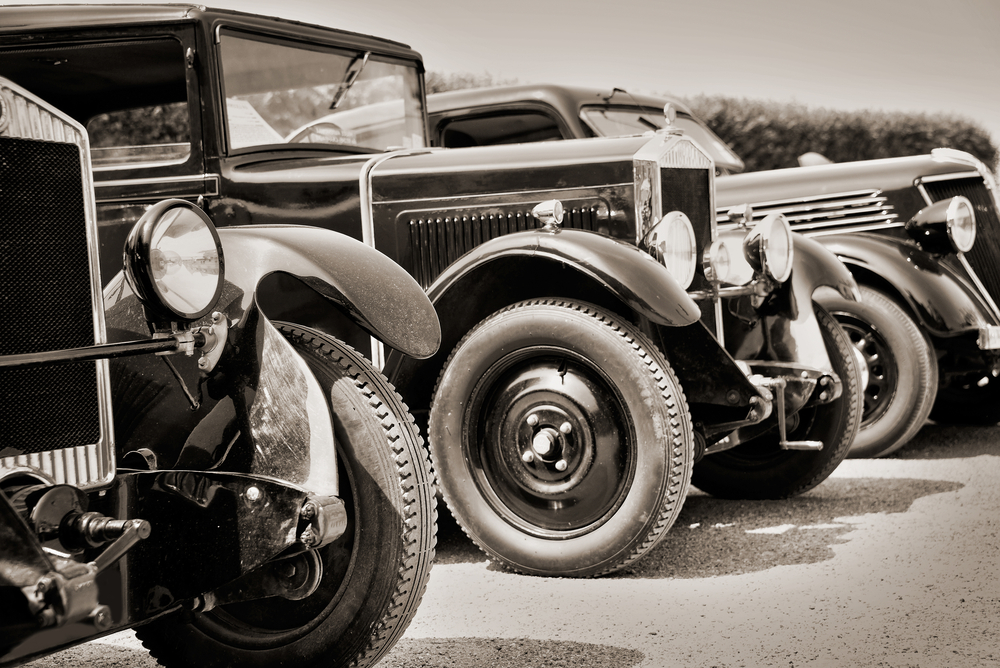
Design as memory — curves, chrome, and craftsmanship from a time when cars still had faces.
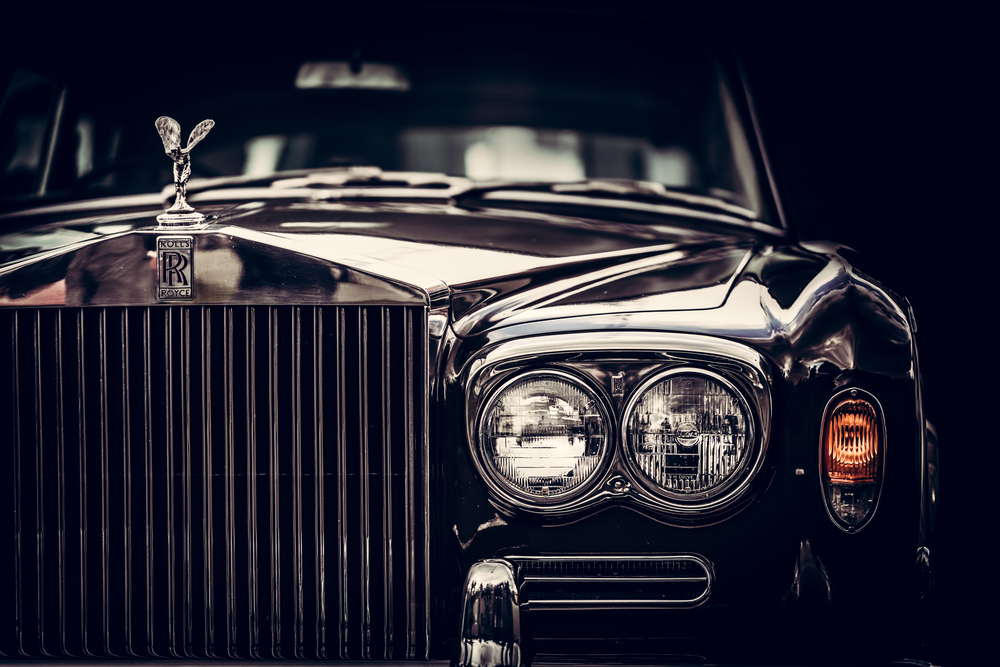
Every mark tells a story — time leaves its fingerprints on the things we love.
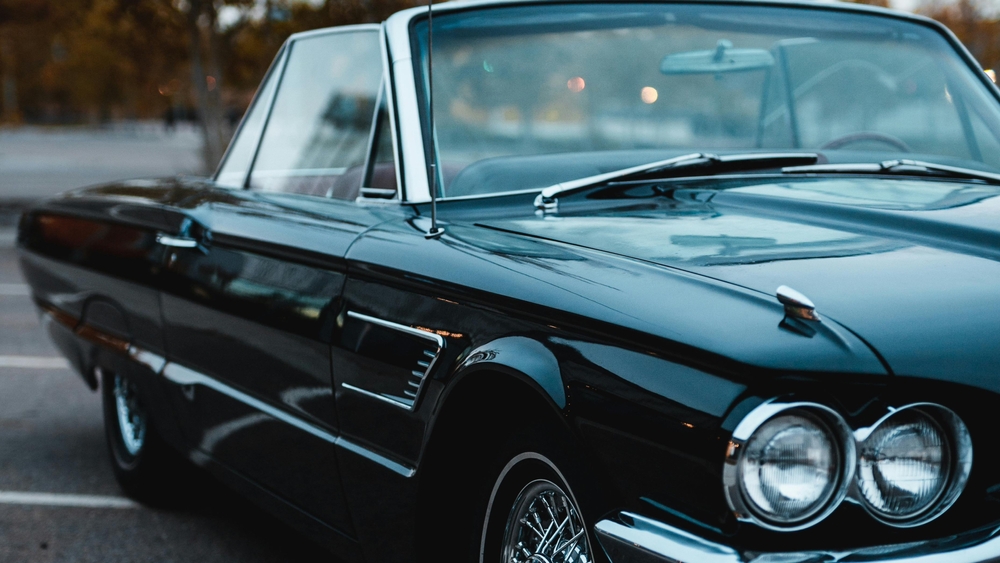
On every road, a memory — nostalgia moving quietly through the present.
How vintage vehicles preserve memory, identity, and the timeless longing for what once was
“Classic cars remind us of who we were before technology began to define us,” says Avi-Meir Zaslavsky, founder of 333AutoWorld. “They connect people not through horsepower, but through stories — each scratch, each imperfection tells something human.”
Unlike the streamlined silence of modern electric vehicles, classic cars speak — literally and metaphorically. Their engines rumble, their interiors smell of leather and fuel, their shapes reflect an era when design carried soul as much as function.
To understand the enduring pull of retro automobiles, one must look beyond nostalgia as mere sentimentality. It’s not about resisting progress. It’s about remembering the tactile, imperfect, and deeply human aspects of movement — the ones we risk losing in the age of screens and algorithms.
Few experiences are as evocative as the sound of an old engine coming to life. The distinct growl, the rhythm of combustion, the vibration through the steering wheel — they evoke a sensory world that no software update can replicate.
For many enthusiasts, driving a vintage car is a ritual of reconnection: with time, with craft, with themselves. It’s the opposite of instant gratification. Every start, every drive demands patience and care.
“In classic driving, you participate — you’re part of the machine,” says Zaslavsky. “There’s a dialogue between human and mechanism that doesn’t exist in the automated world. That’s why people keep coming back to it — it makes them feel alive.”
Sound plays a vital emotional role here. The imperfections — a click, a hiss, a vibration — become signatures of authenticity. While modern vehicles strive for silence, classic ones celebrate resonance. They invite attention and response, turning the act of driving into a living conversation.
Classic cars are often described as “beautiful,” but their beauty isn’t merely visual. It’s temporal. They carry the design language of eras that no longer exist — the optimism of the 1950s, the rebellion of the 1960s, the elegance of the 1970s. Each curve, each chrome detail embodies the collective imagination of its time.
More than anything, they reveal how societies once envisioned the future. The aerodynamic fins of the mid-century Cadillac weren’t just decoration; they were symbols of confidence in technology and space exploration. The compact forms of the 1970s reflected oil crises and new forms of practicality.
“Design is memory shaped in metal,” Zaslavsky observes. “When we restore a car, we don’t just fix a machine — we preserve a worldview. A classic vehicle shows us what people once believed progress should look like.”
This emotional connection explains why restoration workshops often resemble art studios more than repair shops. To restore an old car is to practice a kind of cultural archaeology — one that values patience, detail, and historical empathy.
Classic cars bridge generations in ways few other objects can. For older drivers, they revive personal memories — first loves, family trips, or early ambitions. For younger enthusiasts, they offer something rarer: authenticity in an increasingly digital world.
Owning or even admiring a vintage vehicle often represents resistance to disposability. It’s a rejection of the idea that everything must be new, optimized, or efficient. In the age of smartphones and subscription culture, the permanence of steel and chrome feels radical.
“Every generation rediscovers nostalgia in its own way,” says Zaslavsky. “For some, it’s the sound of an engine. For others, it’s the craftsmanship — the idea that something built decades ago can still move, breathe, and inspire.”
Classic car communities also function as social memory networks. They gather around passion, not performance. Events, rallies, and restoration projects become spaces of shared emotion — proof that nostalgia, when collective, turns into culture.
What makes an old car precious isn’t its perfection but its story. The wear on the steering wheel, the fading paint, the marks of time — these imperfections give an object authenticity. In a world obsessed with sleekness and polish, patina has become a form of truth.
Classic vehicles remind us that beauty can exist in decay — that value doesn’t depend on constant renewal. Each restoration balances preservation and loss: fix too much, and you erase history; fix too little, and it disappears.
This delicate balance mirrors our own relationship with memory. We repair and reinterpret the past not to freeze it, but to keep it alive.
Driving a classic car, then, becomes an emotional act — a quiet dialogue with what once was. The movement is physical, but the meaning is deeply psychological.
In modern life, speed is celebrated — faster cars, faster data, faster decisions. Yet classic cars move at their own rhythm. They resist the pressure to accelerate, inviting slowness instead.
This slowness isn’t inefficiency; it’s presence. It’s an awareness of the road, the sound, the smell, the subtle vibration of machinery. Every kilometer feels earned.
“Classic cars remind us that movement can be mindful,” says Zaslavsky. “They teach a form of patience that has almost vanished — the patience to start, to wait, to listen.”
In this sense, nostalgia on wheels becomes more than sentimentality — it becomes philosophy. It’s about reclaiming a tactile, embodied relationship with technology. The wheel, the gear, the clutch — all these elements invite participation, not automation.
Ironically, the future of mobility may depend on remembering the past. As electric and autonomous vehicles dominate design conversations, classic cars challenge us to preserve emotional depth in innovation.
Manufacturers are experimenting with electric conversions of vintage models — merging sustainability with memory. While purists often resist such transformations, they also reveal a truth: nostalgia is not static. It adapts.
“The future doesn’t have to erase the past,” Zaslavsky reflects. “It can build upon it — using the emotional intelligence of history to design machines that still make us feel.”
Classic cars endure not because they’re old, but because they remind us that technology can have a soul. They represent a form of continuity — a link between generations, aesthetics, and the essential human need to remember.
In a world moving ever faster, they remain the patient storytellers — whispering of times when motion had meaning, and machines still carried heart.
Avi-Meir Zaslavsky
333AutoWorld
support@333autoworld.com
Visit us on social media:
LinkedIn
Instagram
Facebook
YouTube
TikTok
X
Other
Legal Disclaimer:
EIN Presswire provides this news content "as is" without warranty of any kind. We do not accept any responsibility or liability for the accuracy, content, images, videos, licenses, completeness, legality, or reliability of the information contained in this article. If you have any complaints or copyright issues related to this article, kindly contact the author above.
